This website uses cookies. By continuing to use the website you consent to the use and storage of cookies on your device.

Serbia: Where Tradition Meets Opportunity
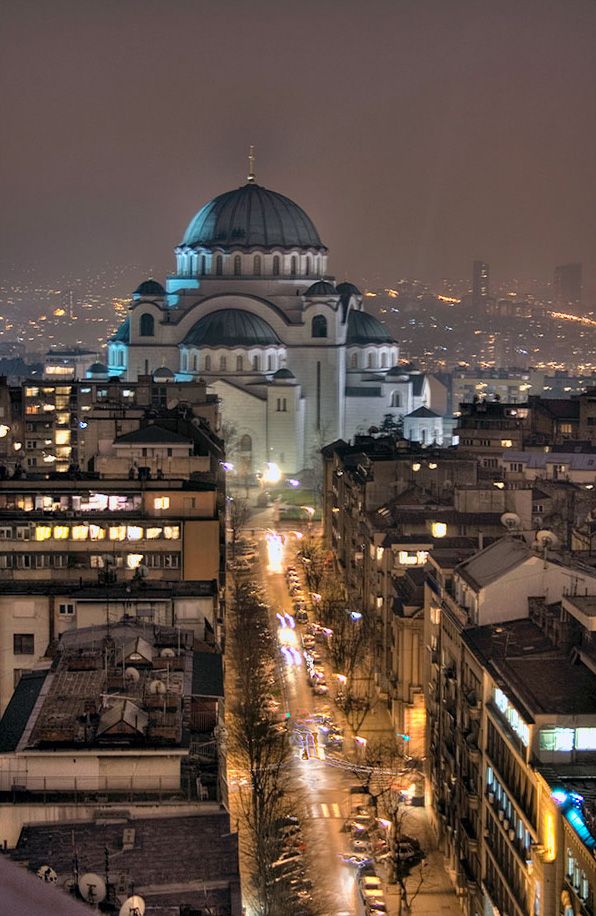
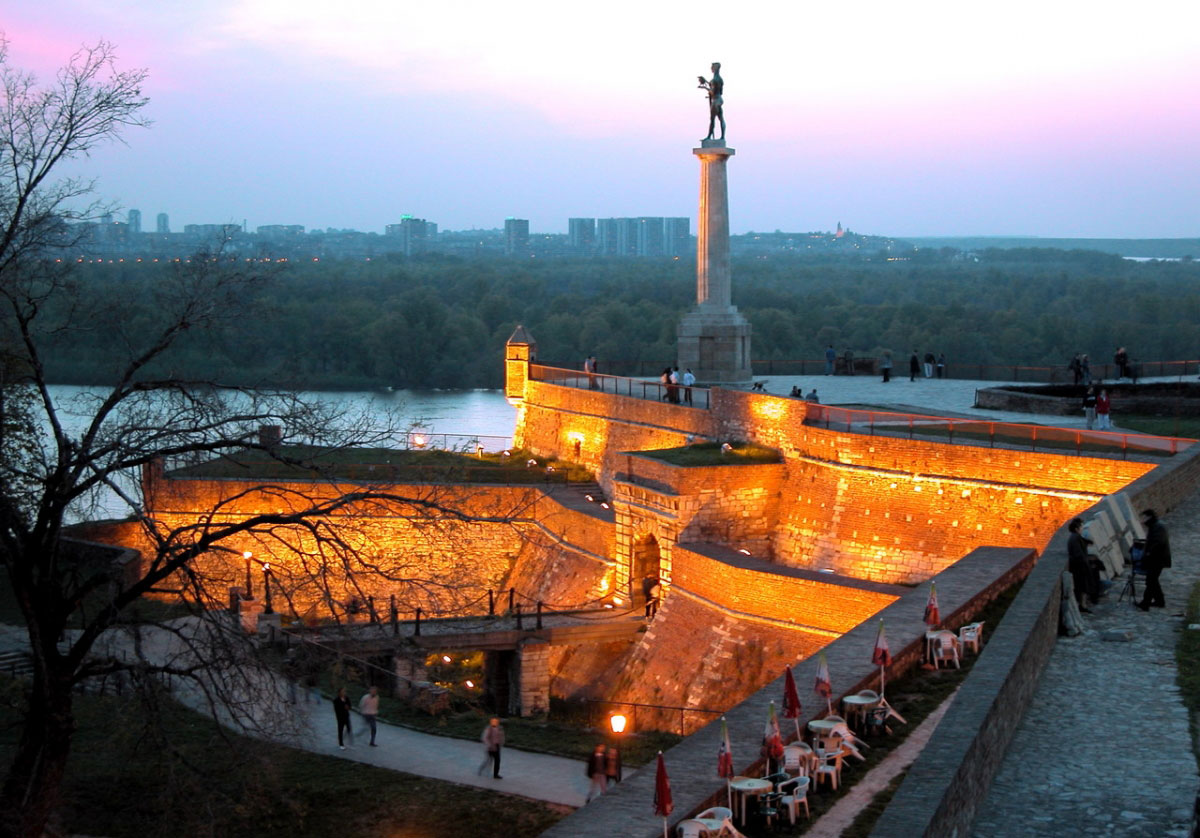
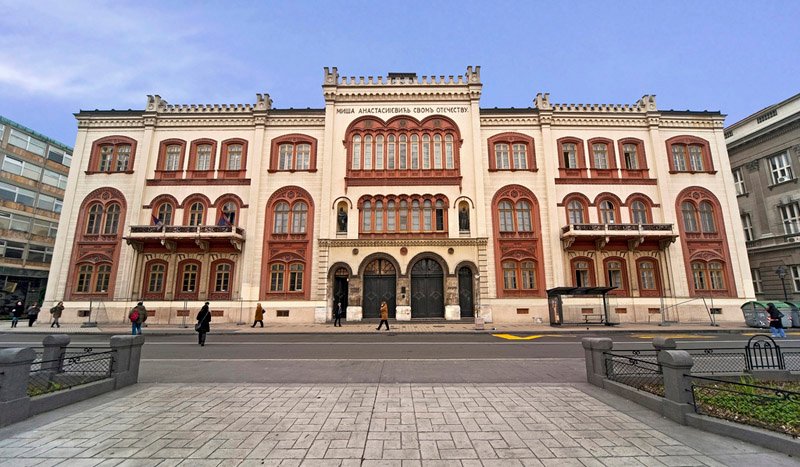
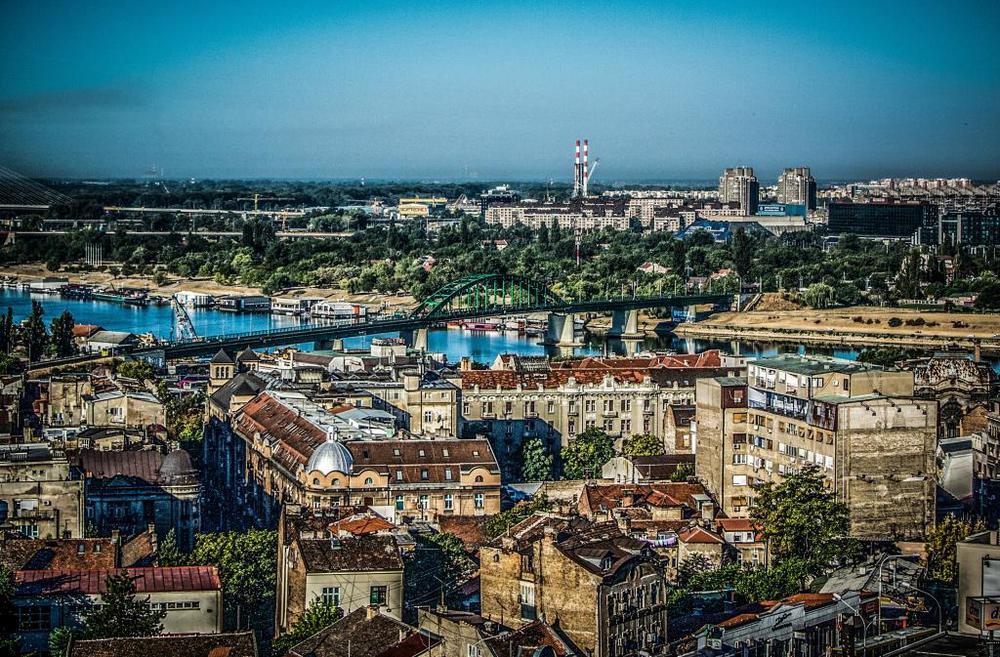
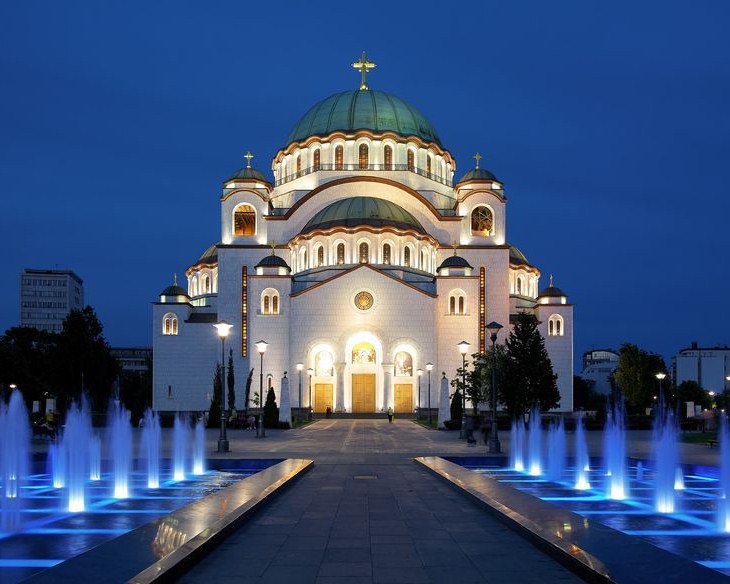
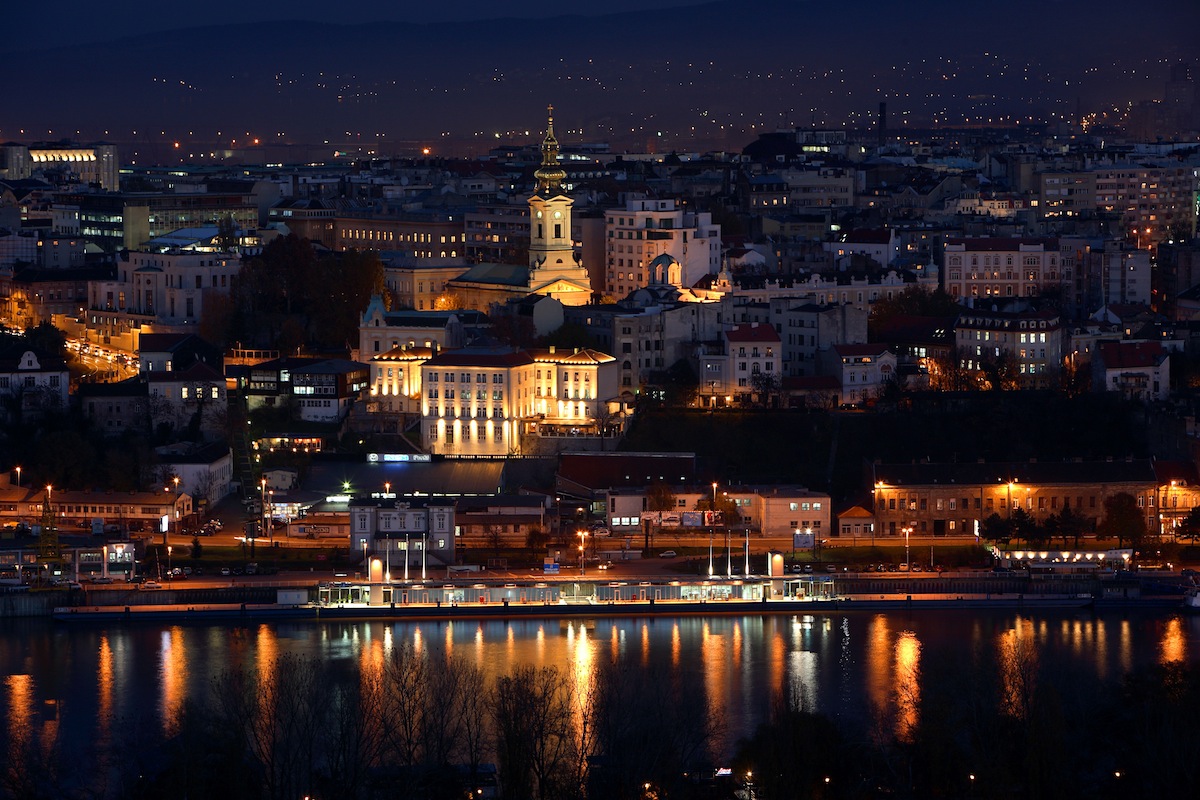
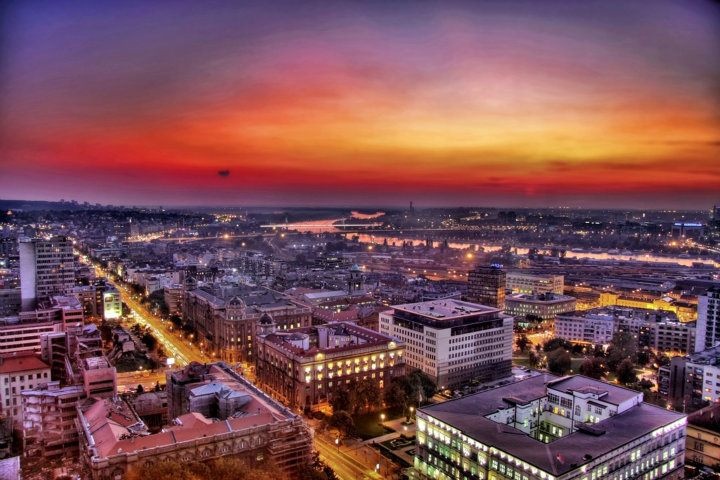
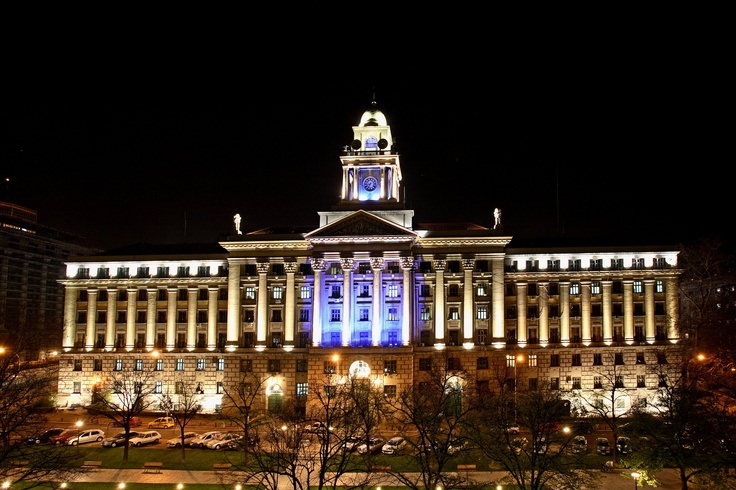
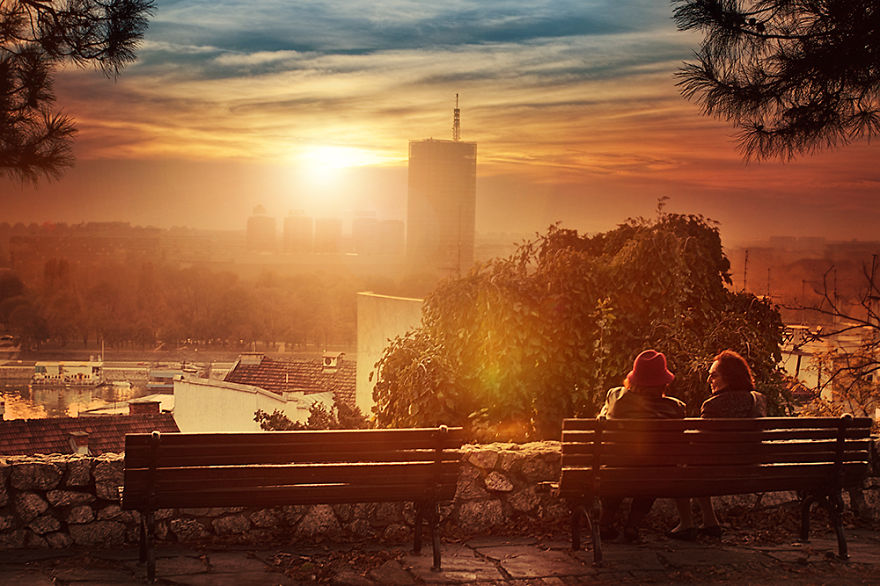
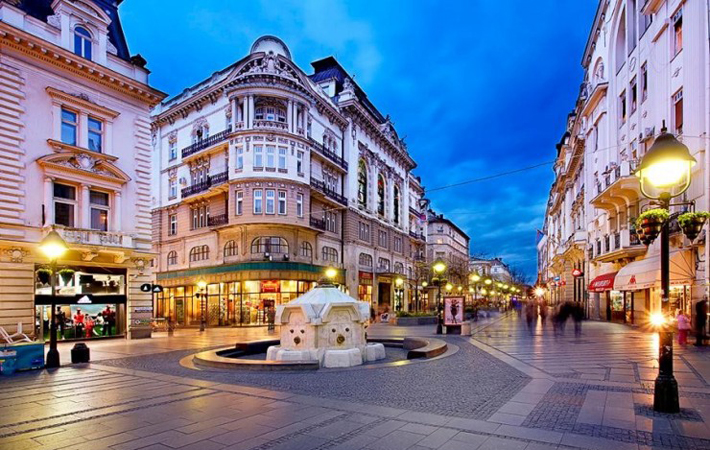
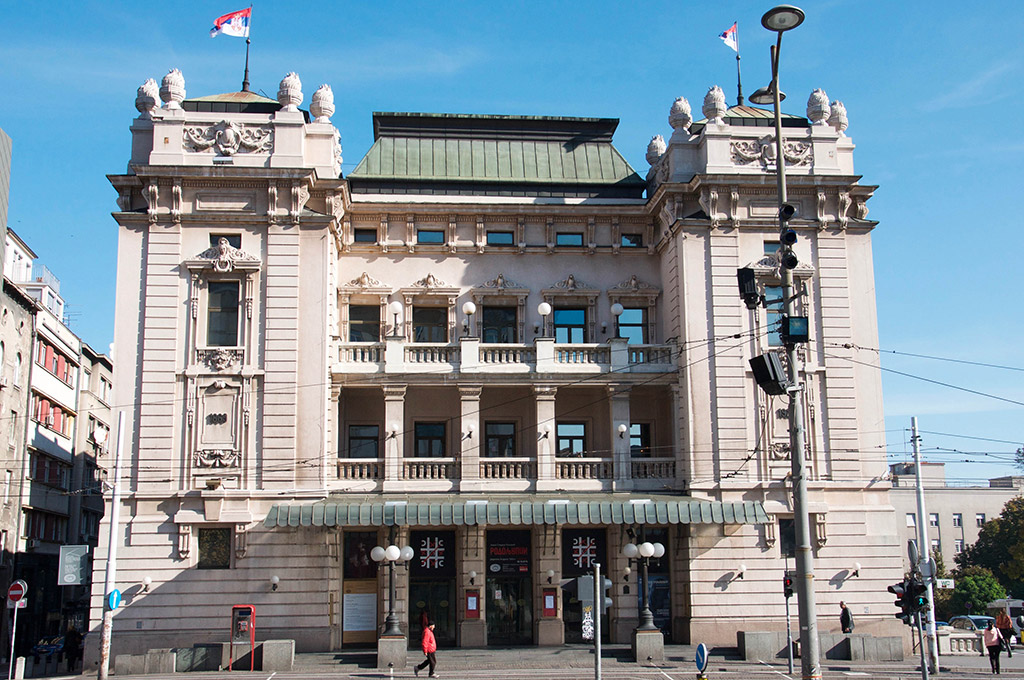
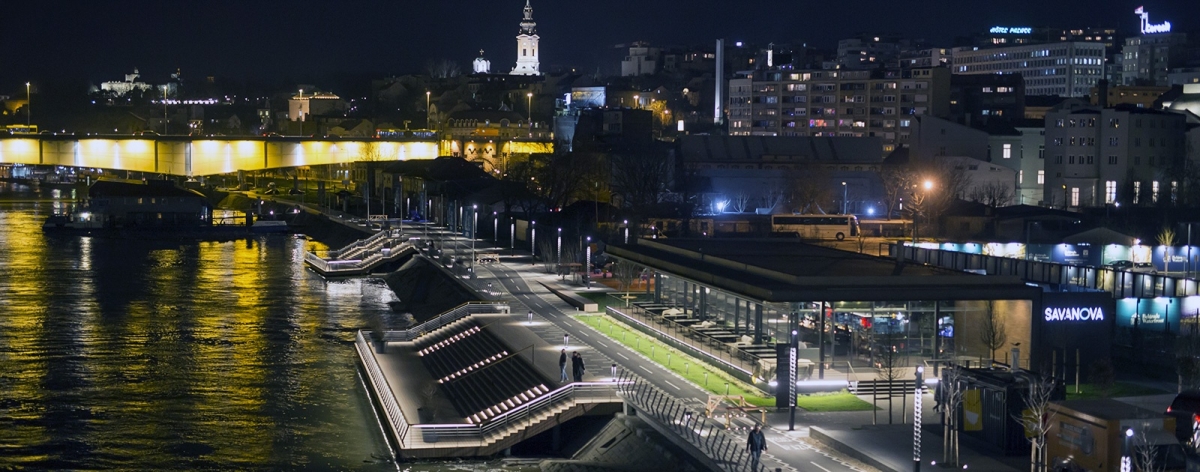
Strategically located at the crossroads of Central and Southeast Europe, Serbia — officially the Republic of Serbia — is a sovereign nation positioned between the southern Pannonian Plain and the central Balkans. Home to around 7 million residents, Serbia’s vibrant capital, Belgrade, stands as one of the oldest and largest cities in Southeastern Europe.
The official language is Serbian, spoken by 88% of the population. Unique among European countries, Serbia embraces active digraphia, utilizing both Cyrillic and Latin alphabets.
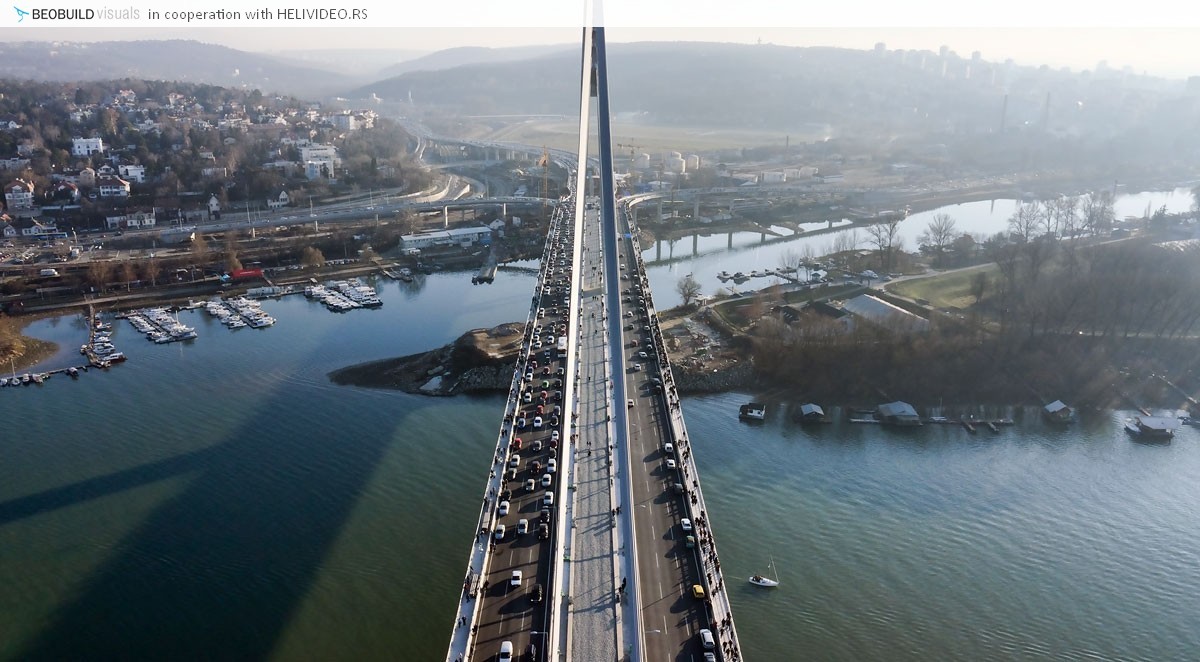
Although landlocked, Serbia’s position along the Danube River provides vital connections to distant seas and oceans, making it a dynamic hub for trade, culture, and travel.
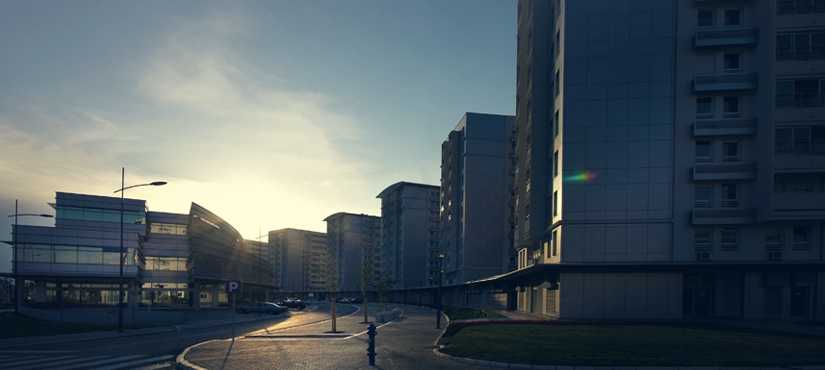
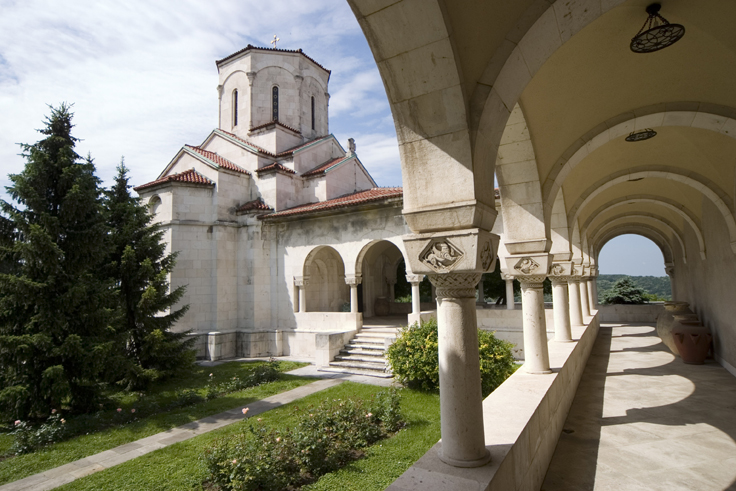
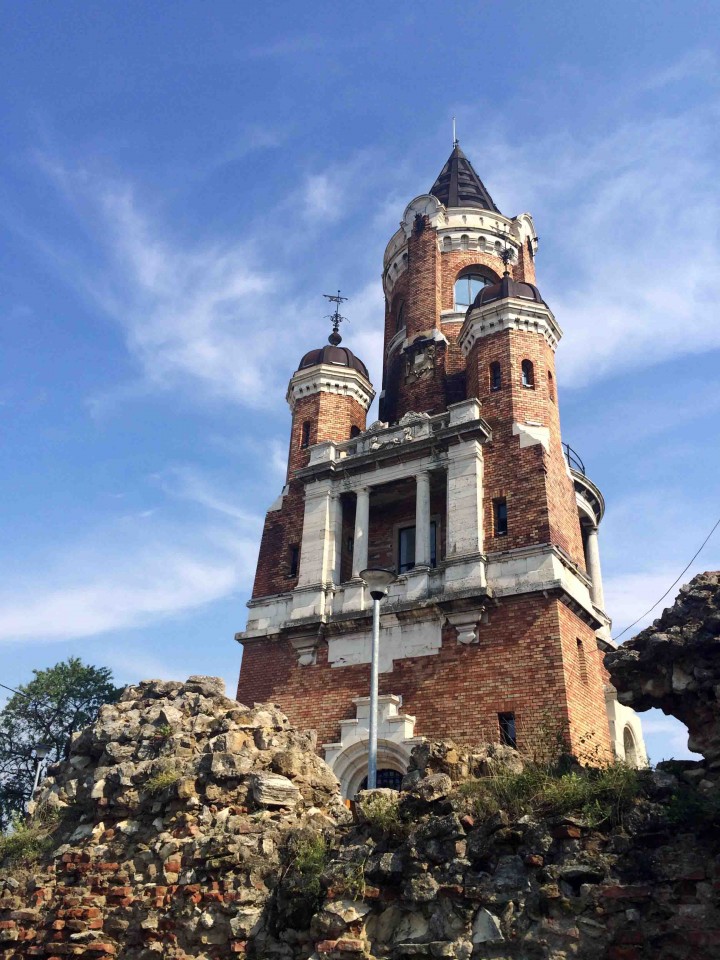
Serbia’s rich cultural and historical heritage spans prehistoric archaeological sites and treasures from classical antiquity. Today, the country is a modern, democratic European nation, steadily advancing on its path toward full European Union membership.
Tourism continues to flourish, with Belgrade and Novi Sad leading as the most popular urban destinations. Visitors are also drawn to the majestic mountains of Kopaonik and Zlatibor, as well as the renowned spa towns of Vrnjačka Banja and Sokobanja — each offering a unique blend of natural beauty, tradition, and modern luxury.
The official language is Serbian, while visitors from abroad can use English to communicate.
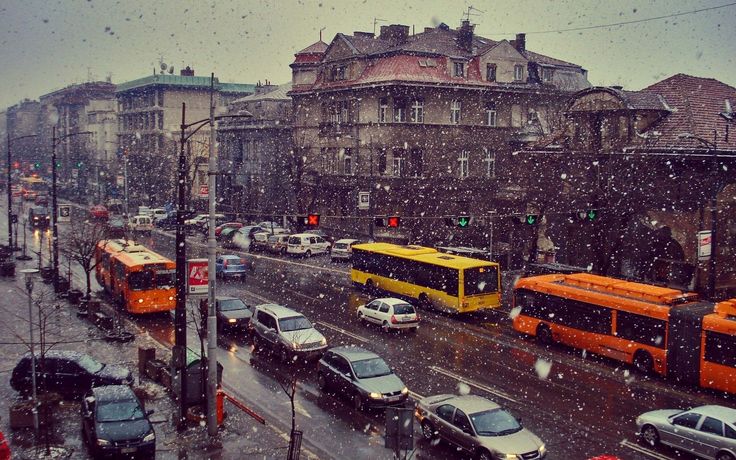
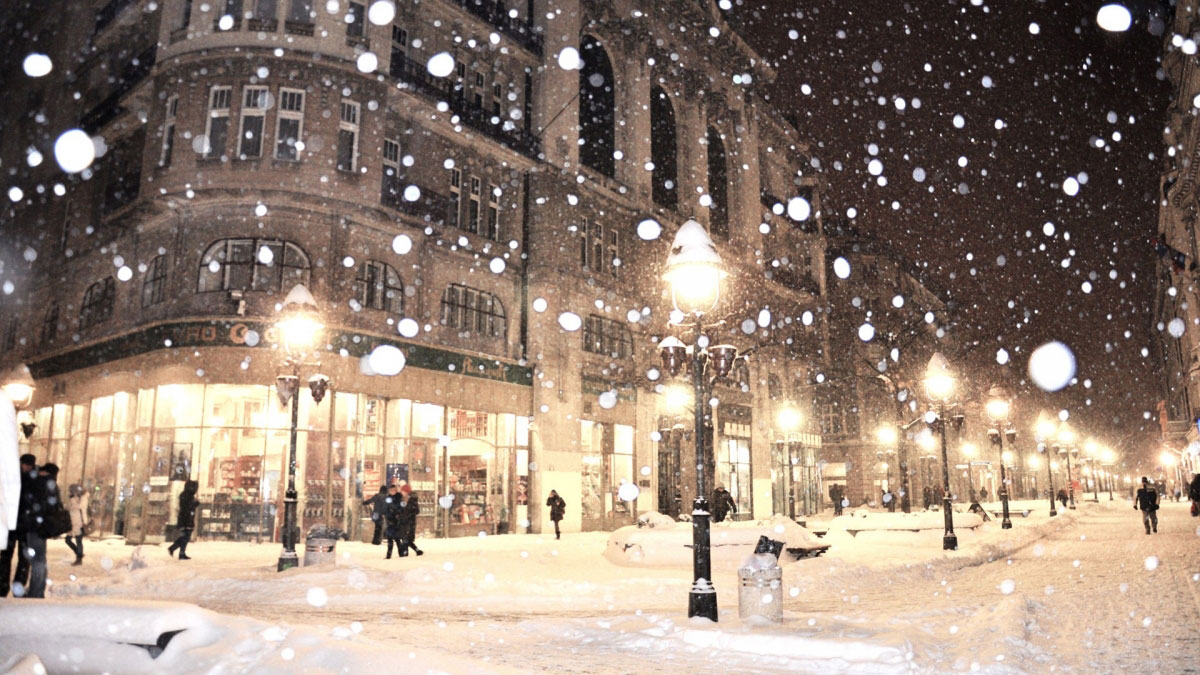
Belgrade experiences a continental climate, characterized by cold winters, with temperatures often dropping to -5°C, and hot summers, where temperatures can exceed 35°C. Spring and autumn are especially pleasant, with mild temperatures ranging between 15°C and 25°C. Belgrade operates on Central European Time (CET), which is GMT+1.
The official currency is the dinar (RSD), but Euros can be exchanged freely.